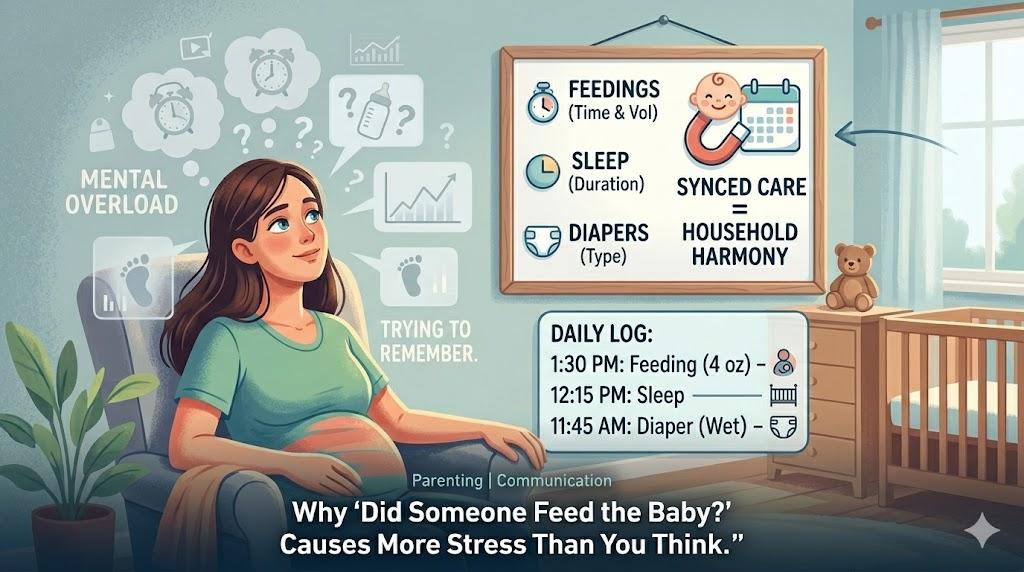
The question "Did someone feed the baby?" might seem like a simple and harmless inquiry to most people. However, for exhausted new parents navigating the early stages of infant care, these six words can trigger a sudden wave of anxiety and frustration. When you are operating on very little sleep, every detail about your baby's schedule feels both critical and easy to forget. Hearing this question forces you to scramble through your hazy memory to provide an accurate answer. You begin to question your own actions and wonder if you missed an important feeding window. This constant state of uncertainty makes it incredibly difficult to relax or focus on other essential tasks.
The underlying tension comes from the high stakes involved in infant health and nutrition. New parents often feel that any mistake in timing could lead to a fussy baby or a disrupted night of sleep for everyone. When a partner asks this question, it unintentionally highlights the fragility of the current routine. It serves as a reminder that the system is relying on human memory, which is notoriously unreliable during periods of extreme exhaustion. Developing a better way to share this information is not just about convenience but about preserving the mental well-being of the entire household.
The Psychological Weight of Interrupted Focus
One major reason this curiosity causes so much stress is the psychological weight of interrupted focus. Parents often find themselves in a state of hyper-vigilance where they are constantly scanning for cues from their infant. When a partner asks for information that should be already known, it breaks the parent’s concentration and forces a mental reset. This abrupt shift in thinking creates a sense of cognitive overload that is hard to recover from quickly. Frequent interruptions like these eventually lead to a feeling of being constantly on edge and mentally drained.
This phenomenon is often referred to as context switching, which is known to be a productivity killer in the workplace and a peace killer in the home. Every time a parent has to stop what they are doing to explain a recent event, they lose a bit of their remaining mental energy. Over time, these small disruptions accumulate into a significant sense of burnout and irritation. Research on parental burnout shows that chronic stress from these micro-stressors can impact long-term health. By finding answers independently, parents can protect each other's limited energy throughout the day and night.
The Core Problem of Communication Gaps
The real issue often lies within the significant gaps in communication between different caregivers in the home. It is common for one person to assume that another has handled a specific task without verifying it first. This lack of a clear system results in a dynamic where everyone is guessing instead of knowing. When you have to ask if a feeding happened, it reveals a breakdown in the team’s ability to share information smoothly. Real-time updates are essential to prevent this kind of confusion from taking root in your daily life.
Without a centralized source of truth, information becomes fragmented and lost in the shuffle of daily chores. One parent might mention a feeding in passing while the other is busy with a different task, leading to forgotten details. This fragmentation forces everyone to constantly double-check each other, which feels like a waste of precious time. Establishing a digital hub ensures that every action is recorded the moment it happens. This serves as a reliable anchor, ensuring that the entire care team is looking at the same set of facts at all times.
Analyzing the Invisible Mental Load of Parenting
Carrying the entire mental load of a child's schedule is an invisible burden that is rarely discussed in detail. Parents must remember the last time the baby ate, how much they consumed, and when the next session is due. When this information is stored only in the brain, it leaves no room for other important thoughts or personal needs. Asking for this data out loud only highlights how much of the memory work is being done by one person. A shared log acts as an external brain that frees up mental space for everyone involved.
The mental load of motherhood and parenting also includes the pressure of anticipating future needs based on past behavior. It involves tracking patterns of hunger and sleep that are constantly changing as the baby grows. When one parent carries this load alone, they quickly become the bottleneck for all information and decision-making. This creates an unfair power dynamic where one person is always the manager and the other is just a helper. Sharing the log redistributes this mental weight and allows both parents to take a leading role in daily care.
Achieving Harmony Through Shared Visibility
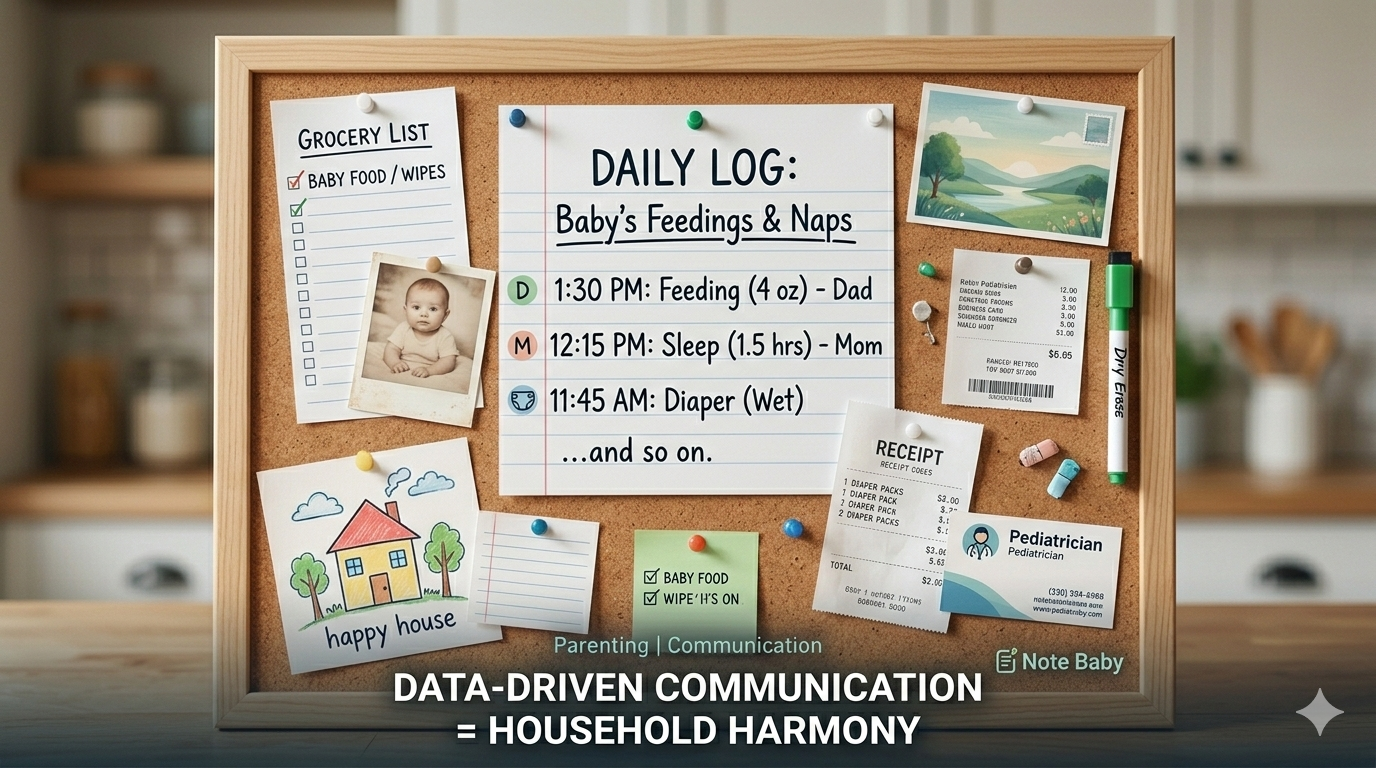
The power of shared visibility cannot be overstated when it comes to reducing household tension and anxiety. When every caregiver has access to the same timeline, the need for clarifying questions completely disappears. You can see exactly when the baby woke up, ate, and had a diaper change without saying a single word. This transparency fosters a sense of unity and ensures that no one is left feeling uninformed or excluded. It allows the team to function like a well-organized unit even during the most difficult night shifts.
Visibility also builds confidence in caregivers who might otherwise feel hesitant or unsure of their role. When a grandparent or a sitter can see the recent history, they feel much more capable of providing high-quality care. Following safe feeding guidelines becomes much easier when the timing is clearly documented for everyone. They do not have to wait for instructions or worry about making a mistake with the baby's schedule. Providing this visibility through an intuitive interface ensures that anyone in the family circle can stay perfectly synchronized.
Final Thoughts on Restoring Peace of Mind
In the end, the stress caused by the question "Did someone feed the baby?" is a symptom of a larger communication issue. By recognizing the mental and emotional toll of this uncertainty, parents can take steps to build a better system. Choosing to track activities in a shared space is a simple but powerful way to protect your mental health and your relationships. You deserve to feel confident and supported as you navigate the beautiful but challenging journey of parenthood. The right tools can turn a stressful environment into one filled with peace and clarity for the whole family.
Consistency is the foundation of a happy home, and technology can help bridge the gap where human memory fails. By investing a few seconds to log an activity, you are saving minutes of stressful conversation later in the day. This small habit leads to a massive reduction in the overall friction of daily life with a newborn. Ensuring that everyone is on the same page means your baby's needs are always met with precision. Your future, well-rested self will thank you for making the switch to a smarter, more collaborative way of parenting.
End Communication Stress with Note Baby
Ready to stop the guessing games and start parenting with total clarity? Note Baby makes it effortless to log feedings, sleep, and diapers while sharing live updates with your family circle, so you can focus on what matters most: enjoying your baby.
👉 Download Note Baby at the Google Play Store and start syncing your baby’s care routine in seconds.